

Introduction
Is Tetouan simply a stop between Tangier and Chefchaouen, or one of Morocco’s most intact Andalusian legacies hiding in plain sight? With a UNESCO-listed medina (since 1997) famed for its whitewashed lanes and refined craftsmanship, Tetouan rewards curious travelers who linger. This tetouan morocco travel guide will help you Explore UNESCO medina, Andalusian heritage & white dove architecture through a complete northern Morocco city tour with attraction tips, local etiquette, and smart planning advice. Only about 65 km from Tangier and roughly 60–90 minutes to Chefchaouen, Tetouan blends seaside breezes, Rif Mountain backdrops, and a cultural mosaic shaped by Andalusian refugees in the 15th century.
- Introduction
- Essentials & Must-Dos
- Timing & Scheduling
- Day 1: UNESCO Medina, Andalusian Craft, and Sunset Squares
- Day 2: Museums, Spanish Quarter, and Seaside Martil
- Day 3 (Optional): Rif Nature or Chefchaouen Pairing
- Health & Safety Advisories
- Alternative Routes & Experiences
- Suggested Activities & Pairings
- Common Mistakes to Avoid
- Logistics & Storing Tips
- Conclusion
- FAQs
Essentials & Must-Dos
- Travel documents: Passport valid 6+ months; many nationalities receive visa-free entry for up to 90 days. Always check current rules via your local Moroccan embassy/consulate.
- Money: Bring a debit card that refunds ATM fees and a backup credit card; many medina artisans are cash-only. Small bills (20/50 MAD) are invaluable for taxis and market purchases.
- Connectivity: Instead of a paper map, pick up a local eSIM or SIM (e.g., Maroc Telecom, Orange, Inwi) and use Google Maps or Maps.me offline for the medina’s maze.
- Wardrobe: Lightweight layers for spring/fall, breathable fabrics for summer, a light rain jacket for winter showers. Modest attire is appreciated in traditional quarters.
- Footwear: Grippy, closed-toe walking shoes—the medina’s stone alleys can be slick, especially after rain.
- Health kit: Hand sanitizer, oral rehydration salts, motion-sickness tablets (for mountain roads to Chefchaouen), sunscreen, and a reusable water bottle.
- Etiquette: Ask permission before photographing people; a friendly “Salam alaykum” goes a long way. Haggling is normal—keep it polite and lighthearted.
- Must-dos: Plaza Primo and Avenue Mohammed V for Spanish-era architecture; Place el-Feddan terraces; Bab el-Okla and the Ethnographic Museum; artisan workshops in Dar Sanaa (School of Arts & Crafts); Martil seaside stroll; café-hopping at sunset.
Timing & Scheduling
- Best months: March–May and September–November offer mild temperatures (often 18–26°C) and clearer skies—ideal for medina walks and day trips to Martil/Cabo Negro.
- Value tip: Shoulder seasons can save 15–25% on flights and stays versus peak summer, and you’ll avoid August heat and crowds.
- Trip length: 2 days covers highlights; 3–4 days adds beaches, Akchour waterfalls, or a Chefchaouen day trip.
- Holidays: During Ramadan, some restaurants adjust hours. Evenings come alive after sunset—plan midday museum visits and late dinners.
- Getting there: Tangier Ibn Battuta Airport is the closest major hub; drive or bus to Tetouan in ~1.5 hours, depending on traffic.
Day 1: UNESCO Medina, Andalusian Craft, and Sunset Squares
- Morning: Start with a traditional breakfast—msemen (buttery folded pancakes) with honey, mint tea, and fresh orange juice at a café near Place Moulay El Mehdi. Enter the medina via Bab el-Okla and visit the Ethnographic Museum to frame the day with context on Rif, Andalusian, and Jewish influences.
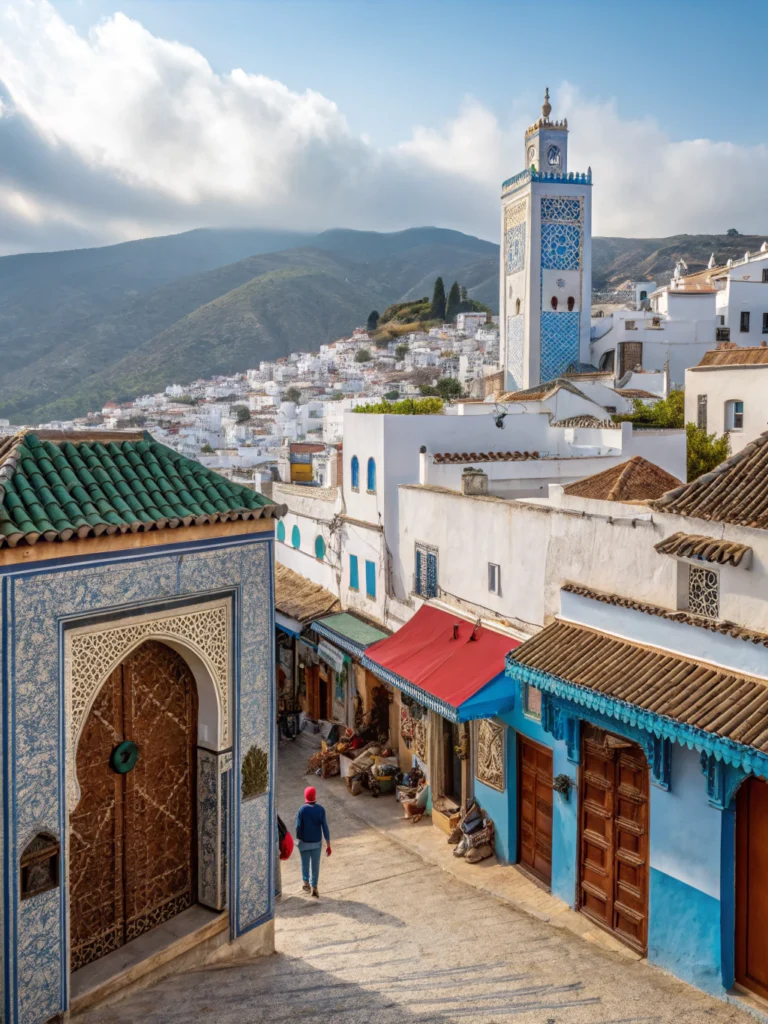
- Late morning: Wander calm lanes toward artisan ateliers. Dar Sanaa (School of Arts & Crafts) showcases zellige, wood carving, plasterwork, and embroidery—watch masters at work and buy directly from students and artisans.
- Lunch: Try tagine of local sardines or a hearty vegetable tagine at a family-run riad restaurant. Ask for house-made khobz (bread) warm from the oven.
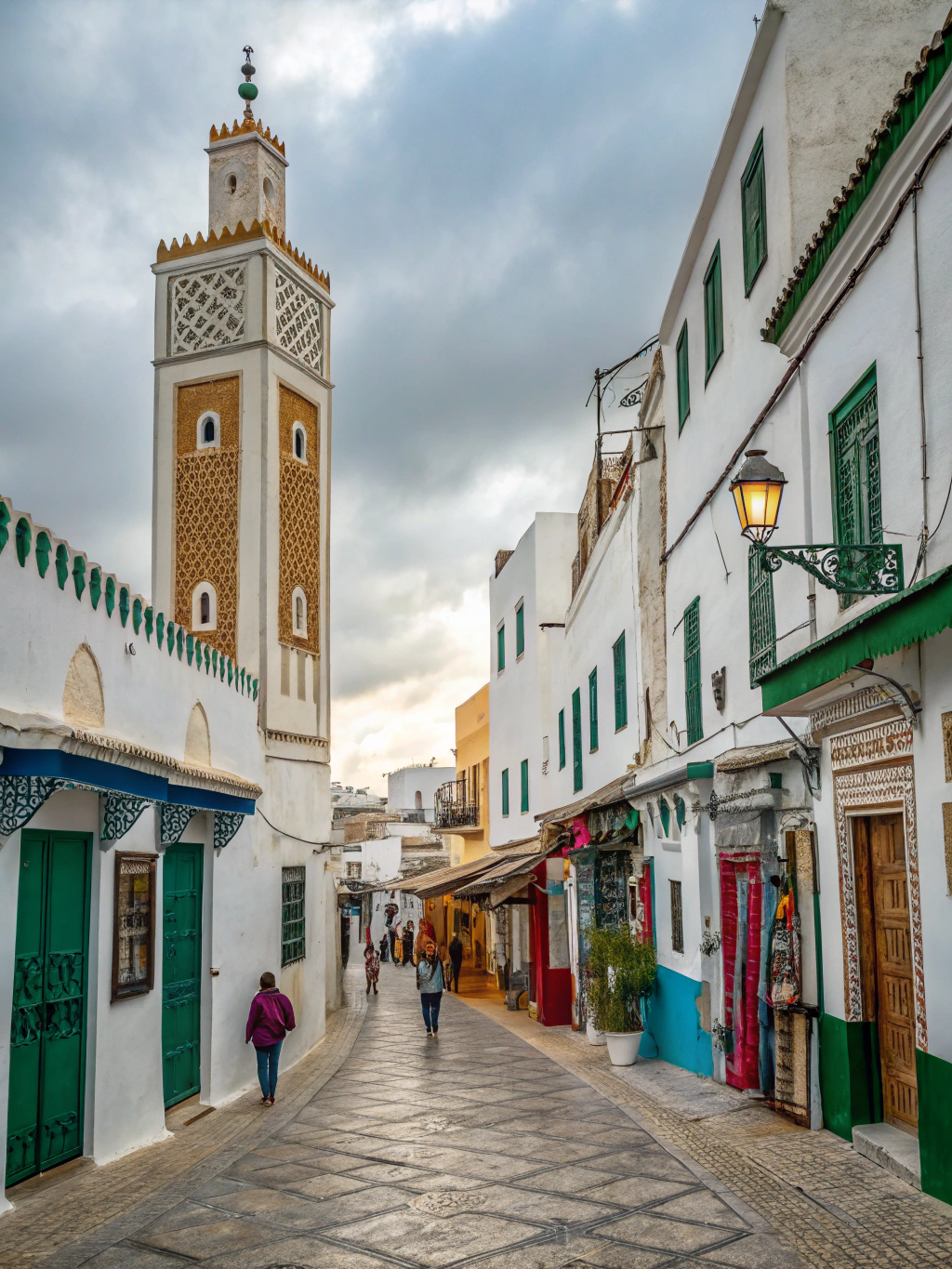
- Afternoon: Explore Place el-Feddan’s wide terraces and viewpoints. Continue to the Andalusian quarter—note white plaster facades trimmed with green tiles, wrought-iron balconies, and discreet patios that gave Tetouan its “White Dove” grace.
- Golden hour: Return to Plaza Primo for Spanish-era façades glowing amber. Sip a cortado or mint tea and listen for the soft weave of Arabic, Spanish, and Amazigh in the air.
Day 2: Museums, Spanish Quarter, and Seaside Martil
- Morning: Visit the Archaeological Museum (if open; hours can vary) to see mosaics unearthed from ancient sites in northern Morocco. Then head to the Tétouan Museum of Modern Art (in the former railway station) for a taste of contemporary creativity.
- Lunch: Sample b’ssara (silky fava bean soup) sprinkled with cumin and paprika, drizzled with olive oil, and served with warm bread—a simple, soulful Rif staple.
- Afternoon: Short taxi ride to Martil (approx. 10 km) for a beach stroll and coffee along the promenade. In summer, swim early morning or late afternoon; outside peak season, come for light, Atlantic-kissed breezes and coastal views.
- Evening: Return to Tetouan for dinner—try pastilla (Andalusian-influenced savory-sweet pastry) or a couscous Friday if your visit aligns. Cap the night with a rooftop tea overlooking twinkling white lanes.
Day 3 (Optional): Rif Nature or Chefchaouen Pairing
- Option A: Akchour waterfalls (via Talassemtane National Park). Hire a driver or join a small group; bring good footwear, water, and snacks. Start early to avoid midday heat.
- Option B: Chefchaouen day trip. Leave before 8 a.m. to beat crowds. Photograph blue alleys in soft light, lunch in the medina, and be back in Tetouan by evening.
Health & Safety Advisories
- Vaccines: Keep routine immunizations current (MMR, DTP). Many travelers consider Hepatitis A; some consider Typhoid for extended street-food adventures. Consult your clinician and official guidance from the CDC or WHO before travel.
- Water & food: In cities, tap water is treated but many visitors choose bottled or filtered water. Eat at busy kitchens, opt for cooked-to-order dishes, and wash/sanitize hands often.
- Local norms: Dress modestly in the medina; avoid public intoxication. Always ask before photographing people or private properties.
- Security: Tetouan is generally calm. Petty theft can occur in crowded spots—use a crossbody bag, keep phones zipped away, and avoid isolated alleys late at night.
- Drones: Morocco restricts drone imports; bring them only with prior authorization to avoid confiscation at customs.
- Embassies: Check advisories from your country’s foreign office (e.g., U.S. State Department, UK FCDO) for up-to-date safety and entry info.
Alternative Routes & Experiences
- For culture lovers: Add a workshop visit at Dar Sanaa; schedule a guided medina architecture tour focusing on carved cedar, plaster muqarnas, and zellige.
- For families: Split medina walks into short bursts with snack stops; add Martil beach time or a park break at Place el-Feddan.
- For photographers: Aim for sunrise alleys and blue hour on Plaza Primo. Consider a side trip to Chefchaouen after Tetouan for complementary color palettes.
- For budget travelers: Choose a medina riad, eat at local snack bars (grilled brochettes, harira soup), and use shared grands taxis for regional hops.
- For luxury seekers: Book a design-forward riad with courtyard breakfasts, reserve private transfers to Akchour, and dine at chefs’ tables featuring coastal produce.
Suggested Activities & Pairings
Link Tetouan with these experiences to deepen your itinerary:
- Tangier day or overnight: American Legation Museum, Kasbah Museum, waterfront corniche, and café culture in Petit Socco.
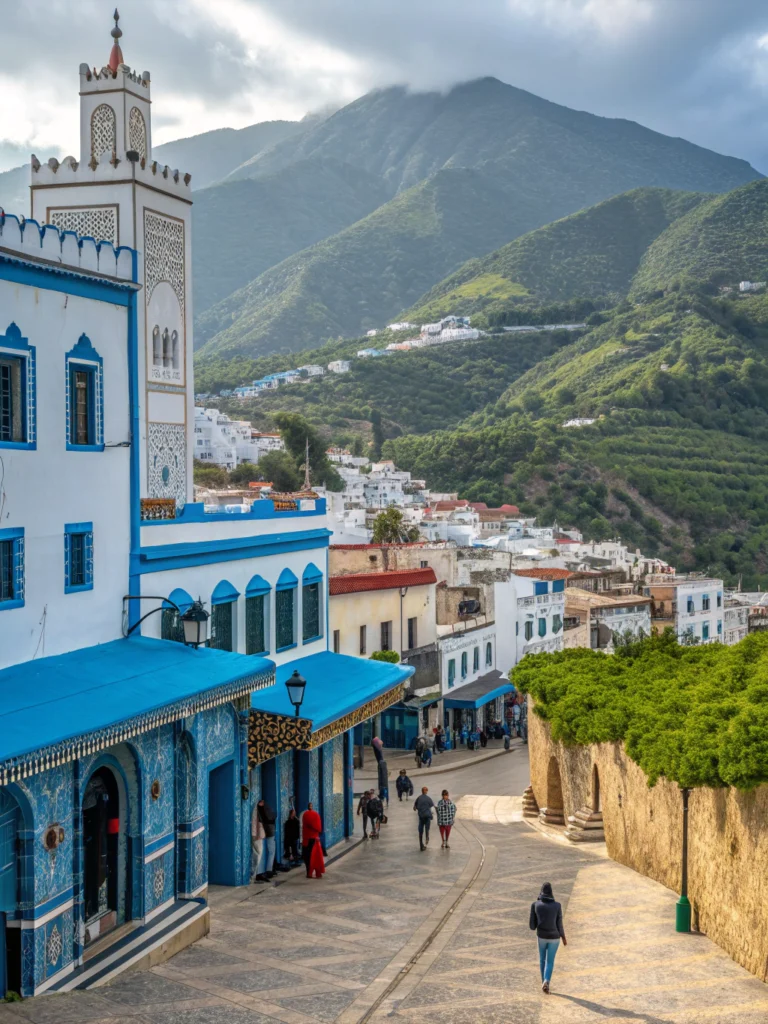
- Chefchaouen: Blue lanes, Rif viewpoints, and artisanal cheese—perfect aesthetic contrast to Tetouan’s white city charm.
- Cabo Negro & Tamuda Bay: Resort stays, golf, and waterside dining in summer months.
- Culinary pairing: Take a home-cooking class focusing on fish chermoula, zaalouk, and mint tea ritual; it complements Tetouan’s coastal-Andalusian identity.
Common Mistakes to Avoid
- Skipping guided context: A knowledgeable local guide unlocks hidden workshops and reading of architectural details you might miss.
- Only midday sightseeing: Narrow lanes glow at golden hour and feel cooler—plan core medina time early or late.
- Not carrying small change: Keep 20–50 MAD notes for taxis, snacks, and tips.
- Assuming cards work everywhere: Bring cash for markets and small eateries.
- Rushing onward: Tetouan deserves at least one full day; two is ideal if you’re pairing with Martil or Akchour.
Logistics & Storing Tips
- Transport: No direct train to Tetouan; use CTM/Supratours buses or shared taxis from Tangier/Tangier Airport. Private transfers are fastest with luggage.
- Taxis: Confirm fare before departure or ensure the meter is used. Carry small bills.
- Navigation: Download offline maps; star key points (Bab el-Okla, Place el-Feddan, Plaza Primo) to orient yourself.
- Documents: Store passport scans in encrypted cloud storage and keep a hard copy separate from the original.
- Currency: ATMs are widespread; notify your bank to avoid fraud blocks. Keep a money pouch for high-traffic areas.
- Connectivity: An eSIM or local SIM keeps rideshares and translation apps handy inside the medina.
Conclusion
Tetouan’s magic lies in its harmony—Andalusian lines, whitewashed calm, and a UNESCO medina that remains one of Morocco’s most authentic. Use this tetouan morocco travel guide to plan smart, wander deeper, and connect with artisans, plazas, and sea breezes that define the city. Ready to explore? Share your favorite finds in the comments and browse our northern itineraries for more inspiration.
FAQs
- Why is Tetouan called the White Dove City?
Because of its luminous whitewashed architecture and graceful hill-side silhouette. Its medina is renowned for being one of Morocco’s most intact and harmonious—see also tetouan white dove city. - How many days do I need?
Two full days hit the highlights; add a third for Martil beach or an Akchour hike, or pair a day trip to Chefchaouen. - Is Tetouan safe for solo travelers?
Generally yes, with standard city precautions. Stick to lit streets at night, secure valuables, and consider a local guide for first-time medina navigation. - What’s the best season to visit?
Spring and fall for comfort and value; summer for beach time; winter for quiet museums and moody mountain backdrops. - Can I drink tap water?
Many travelers opt for bottled or filtered water. Choose busy kitchens, eat freshly cooked foods, and wash produce when self-catering. - Do people speak English?
Arabic and Spanish are widely spoken; French too. Basic phrases and a translation app help in the medina. - What souvenirs are authentic to Tetouan?
Hand-embroidered textiles, fine wood carving, zellige pieces, and artisanal leather—buy directly from workshops when possible for quality and fair pricing.


[…] to the Moroccan Ministry of Tourism, Tetouan is among the safest cities in northern Morocco with crime rates 30% below the national average. […]